


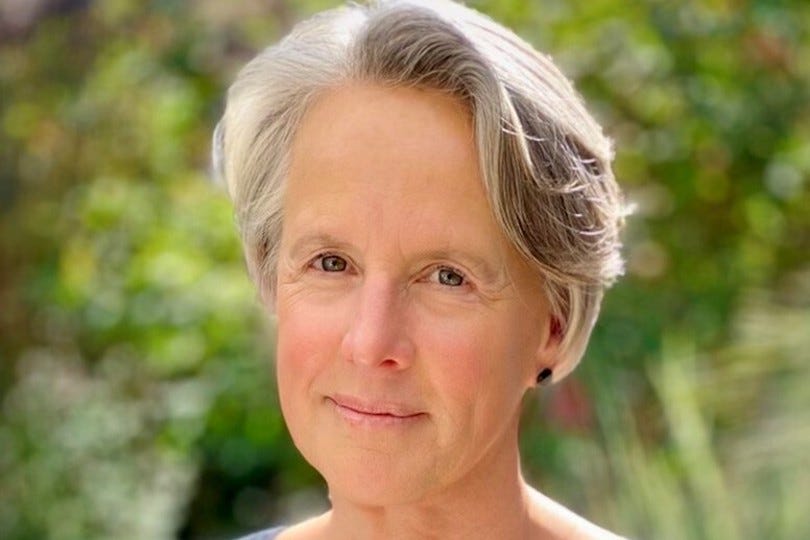
In this week's episode of Thinking Global, Wendy Brown speaks with the Thinking Global team. First, Professor Brown explores Nihilism as contemporary political condition, discussing her new book 'Nihilistic Times', which can be found on the Harvard University Press Website. From here, the team explore the central thesis of 'Walled States, Waning Sovereignty' (2010) and reflect on Professor Brown's well-known article 'Resisting Left Melancholy' (1999), prior to a short concluding discussion on Neoliberalism in the contemporary world.
Professor Wendy Brown is Professor Emerita in the Department of Political Science at the University of California, Berkeley (@UCBerkeley). Professor Brown’s fields of interest include the history of political theory, feminist theory, contemporary critical theories of law, nineteenth and twentieth century Continental theory, and contemporary American political culture. She is best known for intertwining the insights of Marx, Nietzsche, Weber, Freud, Frankfurt School theorists, Foucault, and contemporary Continental philosophers to critically interrogate formations of power, political identity, citizenship, and political subjectivity in contemporary liberal democracies.
Thinking Global is available on all major podcast platforms.
What makes this discussion particularly valuable is the attempt to understand the present not simply through political events, but through the deeper transformation of the ideas that have structured modern political order.
From a field perspective, I have often found that theories of power become most revealing when confronted with reality. Institutions, sovereignty, legitimacy, identity, and political authority may appear stable in theory, yet their meaning can change dramatically when they encounter crisis, conflict, and the lived experience of societies.
This is why International Relations remains more than the study of states and their interactions. It is also an inquiry into how power is constructed, justified, challenged, and transformed—and how political ideas eventually become realities on the ground.
The most useful scholarship, in my view, is therefore not the scholarship that merely explains the world after events occur, but the scholarship that helps us recognize when the assumptions underlying an existing order are beginning to fail.
— Wahidullah Noorzai
Former Senior ANCOP/ANP Officer | Military & Security Analyst | Field Strategist