

In recent years, Asia has witnessed the dramatic downfall of several authoritarian leaders, each leaving a profound impact on their respective nations. This paper delves into the intricate details of these political upheavals, focusing on the Shah dynasty in Nepal, Rodrigo Duterte in the Philippines, Sheikh Hasina in Bangladesh, the Rajapaksa family in Sri Lanka, and Imran Khan in Pakistan. By examining the historical contexts, political dynamics, and public sentiments that led to these leaders' downfalls, I aim to provide a short analysis of the shifting political landscape in Asia. This exploration not only highlights the causes and consequences of these dramatic changes but also offers insights into the future trajectories of these nations.
*Originally published in 2025 and preserved as part of our archive project.
Get E-International Relations delivered to your inbox, free of charge. As you sign up, consider becoming a paid subscriber to support our work.
The downfall of King Birendra of Nepal is a complex and multifaceted historical event that unfolded over several decades, marked by political instability, civil conflict, and significant social change. The monarchy, which had been a central institution in Nepal for centuries, began to face serious challenges in the late 20th century. The rise of the Maoist insurgency in the 1990s was a critical factor. The Maoists, advocating for the rights of the rural poor and seeking to overthrow the monarchy, engaged in a violent conflict with the state, which escalated into a full-blown civil war (Karan & Rose, 2025). The situation was further exacerbated by the tragic royal massacre in 2001, where King Birendra and most of the royal family were killed by Crown Prince Dipendra, who then died from self-inflicted wounds (Karan & Rose, 2025). This event plunged the nation into deeper turmoil and led to King Gyanendra, Birendra's brother, ascending the throne. Gyanendra's attempts to consolidate power and impose direct rule in 2005 only intensified public discontent and opposition from political parties and civil society (Karan & Rose, 2025).
Amidst growing unrest, the Maoists and major political parties formed an alliance, leading to mass protests and a nationwide movement against the monarchy. In 2006, these efforts culminated in the signing of the Comprehensive Peace Agreement, which ended the civil war and paved the way for the abolition of the monarchy (Thapa, 2025). In 2008, Nepal was officially declared a federal democratic republic, ending over two centuries of monarchical rule (Kattel, 2024). The downfall of the monarchy in Nepal was not just a political shift but also a profound transformation in the country's social and cultural landscape. It marked the end of an era and the beginning of a new chapter in Nepal's history, characterized by democratic aspirations and the struggle for a more inclusive and equitable society.
The prospect of the royal family re-entering Nepal's political landscape has become a topic of significant debate and interest. Since the monarchy was abolished in 2008, Nepal has experienced considerable political instability and public dissatisfaction with the current republican system. This discontent has fueled a resurgence of pro-monarchy sentiment among certain segments of the population. Recent events, such as large-scale protests and rallies organized by the Rastriya Prajatantra Party (RPP), have highlighted the growing support for the return of the monarchy. Former King Gyanendra Shah has also hinted at a more active role in politics, further energizing his supporters (Karan & Rose, 2025; Thapa, 2025).
The movement for the monarchy's return is driven by a combination of nostalgia for the past and frustration with the present. Many supporters believe that reinstating the monarchy could bring stability and unity to the nation, which they feel has been lacking under the republican government. However, this push for a royal comeback is not without controversy. The violent clashes between pro-monarchy protesters and the police, resulting in fatalities and injuries, have raised concerns about the potential for increased political unrest (Menon, 2025; Shekhawat, 2025).
While the former king's supporters are vocal and organized, the broader political landscape in Nepal remains complex. The republican government and its supporters are likely to resist any attempts to restore the monarchy, viewing it as a step backward. Additionally, the international community, which supported Nepal's transition to a republic, may also have reservations about a return to monarchical rule. As the debate continues, the future of Nepal's political system remains uncertain, with the possibility of the royal family's re-entry into politics being a contentious and polarizing issue (Karan & Rose, 2025; Shekhawat, 2025).
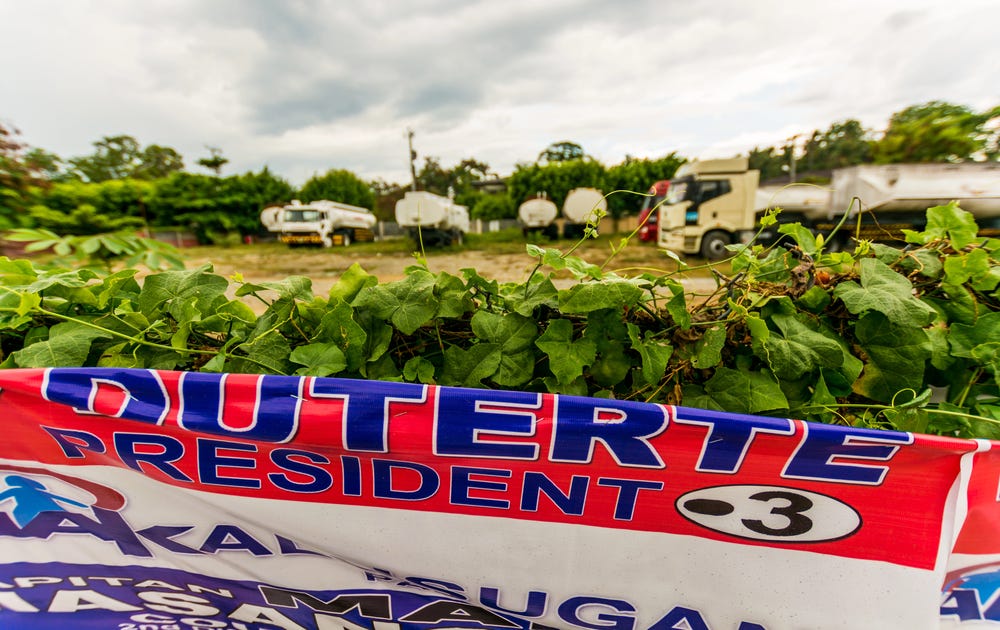
Rodrigo Duterte, the former President of the Philippines, experienced a significant fall from power primarily due to his controversial anti-drug campaign. His presidency, which began in 2016, was marked by a brutal war on drugs that led to thousands of deaths. Official figures report over 6,200 fatalities in police operations, but human rights organizations estimate the number to be much higher, with many deaths linked to extrajudicial executions (Human Rights Watch, 2025; Council on Foreign Relations, 2016).
Despite maintaining strong domestic approval ratings for much of his term, Duterte faced increasing international condemnation. The International Criminal Court (ICC) launched an investigation into his administration's actions, citing possible crimes against humanity. In 2019, Duterte withdrew the Philippines from the ICC, but the court retained jurisdiction over crimes committed before the withdrawal (International Criminal Court, 2025). Duterte's downfall accelerated when he was arrested in March 2025 upon returning to the Philippines from Hong Kong. The ICC had issued a warrant for his arrest, leading to his detention at Ninoy Aquino International Airport (International Criminal Court, 2025). This arrest marked a significant moment in his political career, highlighting the collision of justice, power, and political influence (Human Rights Watch, 2025).
Rodrigo Duterte's future in Philippine politics remains a subject of intense speculation and debate. Despite stepping down from the presidency in 2022, Duterte's influence continues to loom large over the political landscape. His daughter, Sara Duterte, currently serves as the Vice President, although her recent impeachment and the subsequent legal battles have cast a shadow over the Duterte political dynasty (Human Rights Watch, 2025). The rift between the Duterte and Marcos families, once allies, has further complicated the political scenario. This feud has polarized the electorate and overshadowed substantial policy debates (Straits Times, 2025).
Rodrigo Duterte himself faces significant legal challenges, including charges at the International Criminal Court (ICC) related to his controversial war on drugs (International Criminal Court, 2025). These legal issues could potentially limit his ability to play an active role in politics. However, his enduring popularity among a substantial segment of the population suggests that he could still wield considerable influence, either directly or through his political allies (Human Rights Watch, 2025). The upcoming midterm elections are crucial, as they will determine the balance of power in the Senate and could significantly impact the Duterte family's political fortunes (Human Rights Watch, 2025). If the pro-Duterte candidates perform well, it could bolster their position and provide a platform for a political comeback. Conversely, a poor showing could further weaken their influence and open the door for other political forces to gain ground (Council on Foreign Relations, 2016; Straits Times, 2025).
The downfall of Sheikh Hasina in Bangladesh politics marks a significant turning point in the nation's political landscape. After serving as Prime Minister for an unprecedented fourth consecutive term, Hasina's tenure came to an abrupt end in August 2024 amid widespread protests and civil unrest (Economic Times, 2024; Asia Society, 2024). The protests, initially sparked by dissatisfaction with the job quota system and high youth unemployment, quickly escalated into a broader movement against Hasina's increasingly authoritarian rule (Asia Society, 2024). Her administration faced accusations of election rigging, corruption, and human rights abuses, which eroded public trust and fueled the opposition (Human Rights Research Center, 2025).
The situation reached a critical point when student-led protests, reminiscent of historical agitations in Bangladesh, gained momentum. Hasina's response to these protests, which included a harsh police crackdown and violent clashes, only intensified the public's anger (Asia Society, 2024). The unrest culminated in the intervention of the military, which forced Hasina to step down and led to the establishment of an interim government headed by Nobel laureate Muhammad Yunus (Economic Times, 2024). Hasina's departure from power was not just a result of immediate events but also the culmination of years of growing discontent with her administration's policies and governance style. Despite her contributions to Bangladesh's economic growth, her tenure was marred by allegations of democratic backsliding and suppression of dissent (Human Rights Research Center, 2025). As she sought asylum abroad, the political future of Bangladesh entered a new phase, with the interim government tasked with stabilizing the nation and addressing the deep-seated issues that led to Hasina's downfall (Asia Society, 2024).
Sheikh Hasina's future in Bangladeshi politics is a topic of considerable speculation following her ousting in August 2024. Despite her departure, Hasina's influence is likely to persist due to her long tenure and the political legacy she has built over the years. Her exile to India has not entirely diminished her presence, as her supporters within the Awami League continue to advocate for her policies and leadership (Asia Society, 2024; Economic Times, 2024). The interim government, led by Nobel laureate Muhammad Yunus, faces the challenge of stabilizing the nation and addressing the deep-seated issues that led to her downfall (Economic Times, 2024).
Hasina's potential return to politics hinges on several factors, including the political climate in Bangladesh and her ability to navigate the legal and political obstacles she faces. The interim government's success in restoring public trust and implementing reforms will also play a crucial role in determining her future (Economic Times, 2024). If the interim administration fails to deliver on its promises, there could be a resurgence of support for Hasina, particularly among those who view her as a stabilizing force despite her controversial tenure (Asia Society, 2024). Moreover, Hasina's political acumen and experience cannot be underestimated. She has demonstrated resilience in the past, overcoming significant challenges to maintain her position. Whether she can leverage this experience to stage a political comeback remains to be seen, but her enduring influence suggests that she will continue to be a significant figure in Bangladeshi politics (Asia Society, 2024; Economic Times, 2024).
The collapse of the Rajapaksafamily in Sri Lankan politics marks a dramatic end to a dynasty that dominated the country's political landscape for nearly two decades. The family's downfall began in earnest in 2022, amid a severe economic crisis that led to widespread public discontent and massive protests (BBC, 2024; Anwar, 2022). President Gotabaya Rajapaksa, who had been in power since 2019, faced intense criticism for his handling of the economy, which was plagued by soaring inflation, crippling debt, and shortages of essential goods (Rising & Pathi, 2022). The situation deteriorated to the point where protesters stormed the presidential residence, forcing Gotabaya to flee the country and resign (BBC, 2024).
The Rajapaksa family's rise to power started with Mahinda Rajapaksa, who became president in 2005 and was celebrated for ending the decades-long civil war against the Tamil Tigers in 2009 (Britannica, 2025). This victory, however, came at a high cost, both financially and in terms of human rights abuses (Anwar, 2022). Over the years, the Rajapaksas consolidated power, with multiple family members holding key government positions, creating a perception of nepotism and corruption (Rising & Pathi, 2022).
The economic mismanagement under Gotabaya's administration, exacerbated by the COVID-19 pandemic, led to a severe financial crisis that the government could not mitigate (BBC, 2024; Anwar, 2022). The public's frustration boiled over into protests that demanded not only Gotabaya's resignation but also an end to the Rajapaksa family's political dominance (BBC, 2024). The family's inability to address the economic woes and the subsequent loss of public trust culminated in their dramatic fall from grace (France24, 2022; Anwar, 2022). In the aftermath, Sri Lanka faces the daunting task of rebuilding its economy and restoring political stability. The Rajapaksa family's legacy, once marked by military triumph and political dominance, is now overshadowed by economic collapse and public outrage (Britannica, 2025). The future of Sri Lankan politics will likely be shaped by efforts to move beyond the era of family rule and address the systemic issues that led to this crisis (France24, 2022).
The future of the Rajapaksa family in Sri Lankan politics appears uncertain and fraught with challenges. Following their dramatic exit from power amid the 2022 economic crisis, the Rajapaksas have faced significant legal and political obstacles (Britannica, 2025; France24, 2022; Anwar, 2022). The new administration under President Anura Kumara Dissanayake has prioritized accountability, leading to numerous indictments against key family members for alleged economic mismanagement, corruption, and human rights abuses (Lanka News Line, 2025). These legal battles could severely limit their ability to stage a political comeback.
Despite these challenges, the Rajapaksa family retains a base of support, particularly among segments of the population that still view them as national heroes for ending the civil war in 2009 (Britannica, 2025; Anwar, 2022). This residual support could provide a platform for a potential return, especially if the current government fails to address the ongoing economic issues effectively. However, the political landscape has shifted significantly, with a growing demand for transparency and anti-corruption measures (Anwar, 2022). The Rajapaksas' future strategies may involve leveraging their remaining influence within the Sri Lanka Podujana Peramuna (SLPP) party and attempting to rebuild their political capital through grassroots mobilization (Rising & Pathi, 2022). However, any attempt to re-enter politics will likely be met with strong resistance from both the public and the current administration (Lanka News Line, 2025; Rising & Pathi, 2022). The family's ability to navigate these challenges and adapt to the new political environment will be crucial in determining their future role in Sri Lankan politics (Britannica, 2025; France24, 2022; Anwar, 2022).
The political trajectory of Thaksin Shinawatra represents one of Thailand's most consequential and contentious political narratives of the early 21st century. Thaksin, a telecommunications tycoon who transformed into a populist prime minister, experienced a dramatic fall from power that continues to reverberate through Thai politics today. Thaksin's rise to prominence began with his landslide election victory in 2001, where his Thai Rak Thai party capitalized on populist policies targeting rural voters who had been historically marginalized by Bangkok's political elite (McCargo & Ukrist, 2005). His administration implemented universal healthcare, village microcredit schemes, and other programs that garnered immense popularity among Thailand's rural majority (Baker & Pasuk, 2009). However, these same policies alienated traditional power centers, including the military, bureaucracy, and urban middle class.
The beginning of Thaksin's downfall can be traced to mounting allegations of corruption, conflicts of interest, and abuse of power. Particularly damaging was the tax-free sale of his family's telecommunications company, Shin Corp, to Singapore's Temasek Holdings for US$1.9 billion in 2006, which sparked widespread public outrage (Hewison, 2010). This transaction crystallized perceptions of Thaksin as a leader who leveraged political power for personal gain. Growing opposition coalesced into the People's Alliance for Democracy (PAD), whose yellow-shirted protesters demanded Thaksin's resignation (Connors, 2008). The military, citing the need to resolve political deadlock and corruption, staged a coup in September 2006 while Thaksin was abroad, effectively ending his premiership (Ferrara, 2015). Following the coup, Thaksin faced judicial proceedings that resulted in a corruption conviction in absentia, leading to his self-imposed exile (Montesano et al., 2012).
The potential return of Thaksin Shinawatra to Thai politics represents a complex and evolving scenario that continues to shape Thailand's political landscape. After nearly two decades of exile following his ousting in a 2006 military coup, the possibility of Thaksin's reintegration into Thailand's political sphere has remained a persistent question with significant implications for the country's democratic development and stability. Thaksin's enduring influence in Thai politics, despite his physical absence, demonstrates what scholars have termed the "Thaksin regime" – a political movement that transcends his personal presence (Hewison, 2017). His political legacy has continued through proxy parties, most notably Pheu Thai, which has maintained substantial electoral support, particularly in Thailand's north and northeast regions (Chachavalpongpun, 2018). This sustained popularity suggests that the ideological foundation for his return remains intact among a significant portion of the electorate.
The 2023 election and subsequent formation of a coalition government led by Thaksin's daughter Paetongtarn Shinawatra and the Pheu Thai party marked a significant shift in Thailand's political dynamics (Kongkirati, 2023). This electoral outcome, coupled with Thaksin's brief return to Thailand in August 2023 before being granted parole from his corruption sentence, has created unprecedented conditions for his potential political rehabilitation (Montesano, 2023). However, his return faces substantial institutional obstacles, including legal prohibitions on political participation by those with criminal convictions and the continued influence of military-aligned factions in government (Ferrara, 2022).
Thailand's constitutional framework, reshaped following the 2014 coup, presents structural barriers to Thaksin's full political reemergence (McCargo, 2019). The monarchy's position in Thai politics adds another layer of complexity to Thaksin's potential return. Following King Bhumibol's death in 2016 and the ascension of King Vajiralongkorn, the monarchy-military relationship has evolved in ways that could either facilitate or hinder Thaksin's reintegration into the political system (Chambers & Napisa, 2020; Prajak, 2022). While the possibility of Thaksin's return to active politics has increased in recent years, it would likely require a delicate balancing of competing interests among Thailand's political stakeholders. Any such return would need to navigate the enduring polarization that has characterized Thai politics since his initial rise to power (Pavin, 2021). The trajectory of Thailand's democratic development may ultimately depend on whether these competing factions can forge a sustainable political settlement that accommodates both Thaksin's movement and the traditional centers of power.
Imran Khan's recent loss of power in the Pakistani government does not resemble the downfall of Sheikh Hasina, Rajapaksa, and the King of Nepal from their political career. His recent loss of power in the government is related to a multifaceted issue rooted in economic mismanagement, political missteps, and legal challenges. His tenure as Prime Minister, which began in 2018, was marked by ambitious promises of economic reform and anti-corruption measures. However, his administration struggled to deliver on these promises, facing soaring inflation, a devalued currency, and mounting external debt (Nation, 2025; Ahmed & Shoaib, 2023). The economic crisis was exacerbated by the COVID-19 pandemic and the global economic downturn, which further strained Pakistan's already fragile economy (Benjamin, 2022).
Politically, Khan's refusal to engage with opposition parties and his confrontational style alienated potential allies and eroded his support base within the parliament (Chaudhry, 2022; Dunya News, 2025; Ahmed & Shoaib, 2023). This culminated in a no-confidence vote in April 2022, which he narrowly lost after key coalition partners withdrew their support (Diplomat, 2023; Benjamin, 2022). The Supreme Court's intervention to restore the parliament and proceed with the no-confidence vote underscored the constitutional crisis and highlighted the judiciary's role in the political turmoil (Onmanorama, 2022).
Additionally, Khan's legal troubles have compounded his political woes. He faces multiple corruption charges, which he claims are politically motivated (Independent, 2025). His incarceration since mid-2023 has further diminished his ability to influence the political landscape directly (Sharma, 2025). Despite these challenges, Khan remains a polarizing figure, with a significant portion of the population still supporting his vision for Pakistan (Independent, 2025; Gupta, 2025).
The future of Imran Khan in Pakistani politics remains a complex and evolving scenario. Despite his current incarceration and the numerous legal challenges he faces, Khan's influence continues to resonate strongly among his supporters (The Times of India, 2025; Sharma, 2025). His party, Pakistan Tehreek-e-Insaf (PTI), has maintained a significant presence in the political arena, leveraging technology and grassroots mobilization to keep his vision alive (Younus, 2024). The recent petition filed by PTI for Khan's release, citing threats to his life amid escalating tensions with India, underscores the ongoing political maneuvering and the high stakes involved (Independent, 2025).
Mr Khan's ability to remain relevant in Pakistani politics will largely depend on the outcome of his legal battles and the public's response to the current government's performance. The economic challenges facing Pakistan, including high inflation and unemployment, have left many citizens disillusioned with the ruling coalition (Tribune, 2022). This discontent could potentially fuel a resurgence of support for Khan, especially if the government fails to address these issues effectively (Tribune, 2022; Gupta, 2025). Moreover, Khan's narrative of being a victim of political persecution has gained traction among his followers, who view him as a symbol of resistance against the entrenched political and military establishment (Sharma, 2025). His continued popularity, despite his imprisonment, suggests that he could still play a pivotal role in shaping Pakistan's political future, either directly or through his party's influence (News18, 2025; Sharma, 2025).
From a conflict theory perspective, these leaders' downfalls can be seen as the result of inherent power struggles and social inequalities within their respective societies. Karl Marx's ideas about the inevitable conflict between the ruling elite and the oppressed masses are particularly relevant here. In each case, widespread public dissatisfaction with economic mismanagement, corruption, and authoritarian practices led to mass protests and demands for change (Nation, 2025; Onmanorama, 2022).
Functionalist theory provides another angle, suggesting that these leaders' downfalls were a response to dysfunctions within their political systems. According to functionalism, governments exist to maintain social order and meet collective needs. When leaders fail to fulfill these roles, social unrest and political upheaval become inevitable. The economic crises in Sri Lanka and Bangladesh, coupled with the perceived erosion of democratic norms in the Philippines, created conditions where the existing political structures could no longer function effectively, leading to the ousting of these leaders (Nation, 2025; Onmanorama, 2022).
Symbolic interactionism focuses on the role of individual actions and perceptions in shaping political outcomes. The personal leadership styles of Hasina, the Rajapaksas, and Duterte, characterized by authoritarianism and a lack of responsiveness to public grievances, played a significant role in their downfalls. Their inability to effectively communicate and address the concerns of their citizens led to a loss of legitimacy and support (Nation, 2025; Onmanorama, 2022).
No matter how we theorize them, the downfalls of these authoritarian figures underscore the volatile nature of political power in Asia. Each case study reveals a unique blend of economic mismanagement, corruption, human rights abuses, and public discontent that culminated in significant political shifts. The transitions from autocratic rule to more democratic governance models emphasize the critical importance of accountability, transparency, and the rule of law. As these nations navigate their post-authoritarian futures, the lessons learned from these downfalls will be crucial in shaping more stable and democratic societies. The ongoing political developments will continue to influence the regional and global political landscape, underscoring the need for vigilant and responsive governance.
Dr Mia Mahmudur Rahim is an associate professor of law at the University of New England and a professor of residence at the National Law University Meghalaya.
Thank you, Mia. What I find particularly interesting in these cases is that the fall of a strongman does not necessarily mean the fall of the political system that sustained him.
A leader may lose office, leave the country, face legal proceedings, or even become politically isolated, while the networks, institutions, patronage structures, security relationships, and social constituencies that supported his or her power remain in place. In that sense, the more important question is not simply why a strongman falls, but what survives after the fall.
This also creates an important distinction between political collapse and strategic transformation. Removing a central figure can create a political vacuum, but a vacuum is not automatically a transition. If institutions remain weak, power can reorganize around another individual, another faction, or even the same network under a different name.
From a field-informed perspective, I would therefore add another question to the cases you examine: when a powerful leader falls, which capabilities and relationships disappear with that leader, and which ones remain embedded in the system?
That distinction may help explain why “comeback” is possible in some cases—not necessarily as the return of the same person, but as the return of the political structure, interests, or logic that once made that person powerful.
Best regards,
Wahidullah Noorzai
Former Senior Afghan National Police Officer | Field Strategist | Military & Security Analyst